Analysis: Grenfell, Time, Race and Class
Any analysis of the fire at Grenfell Tower must include critical factors of time, race and class.
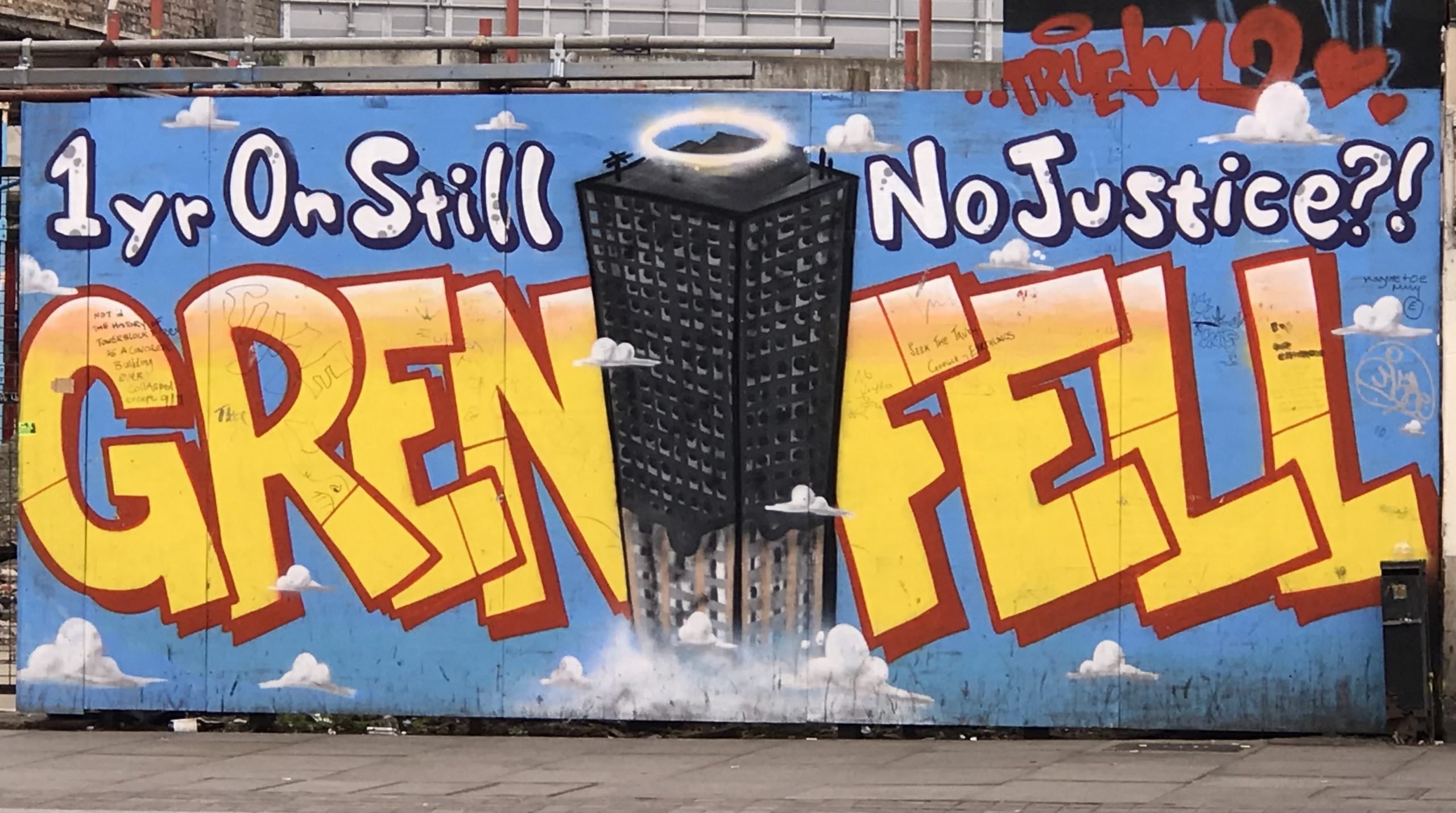
The fire on 14 June 2017 kills seventy-two working class Londoners, including 18 children.
The understandable suspicion of Grenfell’s survivors, bereaved, and local area residents is that politicians and powerful housing industry people are trying to make the rest of the UK population forget about Grenfell – especially as the remnant of the Tower is taken down.
Nine years is a traumatic delay for people to wait for a police force to announce possible criminal charges against those responsible.
This delay is in stark contrast to the response of police and prosecutors to a fire at a tower block complex that killed 168 people in Tai Po in Hong Kong on 26 November 2025. Hong Kong authorities arrest dozens of people in March 2026.
They announce on 10 June 2026 that seven people and two companies will be charged with manslaughter and conspiracy – all less than a year after the fire.
*
Of the 72 people killed by the Grenfell Tower fire, including 18 children, about 85% have been described as Black and brown people, and the remainder as white people.
Investigators and media avoid discussing ‘race’ in the aftermath of such tragedies; at best from a misguided assumption this might drain public compassion for the victims. At worst, they avoid ‘race’ to deny a stark reality.
This uncomfortable yet brutal reality is that race and class inequality make disasters like Grenfell very likely to happen. Grenfell exposes how working class people – of all ethnicities, including white people – are concentrated in unsafe housing. Their concerns about maintenance, repairs, defects, and fire dangers are routinely ignored by unaccountable housing managers.
Disturbingly, nine years on, politicians and government officials do not seem to know how many UK buildings feature dangerous cladding, or how much it will cost or how long it will take to strip such cladding. An estimated three million working class people fear this uncertainty and are forced to live with the consequences, such as not being able to insure and sell their homes.
A society where such class and race inequalities – especially in housing – are tolerated daily and reproduced over decades should not be shocked that tragedies like Grenfell happen. Instead, any society like this should be surprised that similar housing tragedies do not happen more often.
A truth gaining acceptance is that London and other UK cities – and rural areas too – need to provide people with a new mass of genuinely affordable public – or council – housing.
Current government policies fail to meaningfully satisfy the demand for such housing – and can be seen as cynical attempts to profess concern but to deliberately avoid taking any substantive action to wrestle control from vested corporate interests seeking to profit from commodified housing.
Genuinely affordable public housing must also be run by fully accountable managers who respect the meaningful involvement of all working class residents whether they be Black, brown or white.
Reaching such a plateau of affordable and accountable public housing would honour all those who lost their lives in the Grenfell Tower fire.
© Paul Coleman, London Intelligence ®, Autumn 2026.